
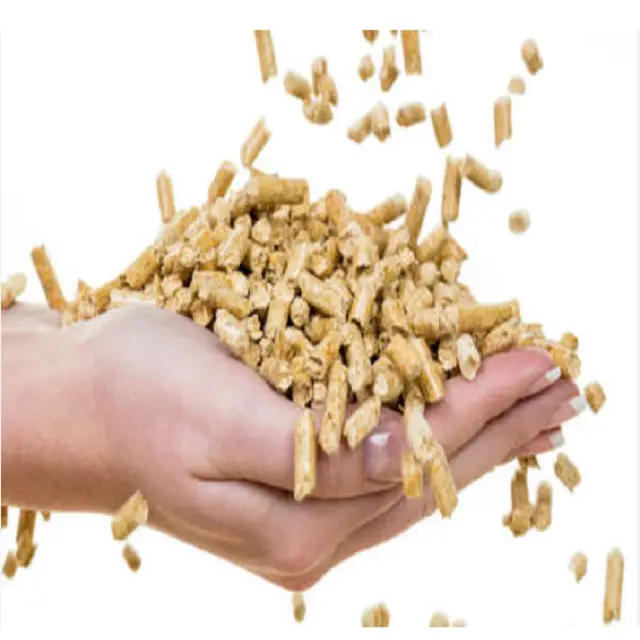
As the world continues to shift toward cleaner and more sustainable energy sources, wood pellets have become one of the most reliable biomass fuels available today. Produced from compressed sawdust, wood residues, and forestry by-products, these small cylindrical pellets offer an efficient and environmentally friendly alternative to traditional fossil fuels.
In recent years, industries, power plants, and residential heating systems have increasingly adopted pellet-based fuel solutions. This shift is largely driven by rising energy prices, growing environmental awareness, and stricter regulations on carbon emissions.
Because of their high energy density, low moisture content, and renewable nature, wood pellets are now widely used across Europe, Asia, and North America. Governments and businesses are investing heavily in biomass energy solutions to reduce reliance on coal, oil, and natural gas.
This article explores the production, advantages, uses, and global market growth of pelletized biomass fuel and why it is playing an important role in the future of renewable energy.
What Are Wood Pellets?
Wood pellets are small, compressed cylinders made from natural wood waste materials such as sawdust, wood shavings, and forestry residues. These materials are compacted under high pressure to create dense fuel pellets with excellent combustion properties.
The typical characteristics of pellet fuel include:
-
Diameter: 6–8 mm
-
Length: 10–40 mm
-
Moisture content: 6–10%
-
Energy value: approximately 4.5–5 kWh per kilogram
The manufacturing process does not usually require chemical additives. Instead, the natural lignin in wood acts as a binding agent during compression, helping the material hold its shape.
Because of their compact structure and low moisture level, wood pellets burn efficiently and produce significantly less smoke compared to raw firewood.
How Wood Pellets Are Manufactured
The production of wood pellets involves several stages designed to ensure consistent quality and high energy output. Modern pellet plants use advanced equipment to transform raw wood residues into uniform biomass fuel.
Raw Material Collection
The first step in pellet production is sourcing raw materials. These may include:
-
Sawdust from sawmills
-
Wood chips
-
Forestry residues
-
Wood shavings
-
Waste from furniture manufacturing
These materials are widely available as by-products of the timber industry, making pellet fuel an excellent way to recycle wood waste.
Drying Process
Before compression, the raw materials must be dried to reduce moisture levels. Excess moisture can reduce the efficiency and durability of pellets, so drying is an essential step.
Industrial dryers lower the moisture content to an optimal level suitable for pelletizing.
Grinding and Preparation
The dried materials are then ground into fine particles using hammer mills or grinders. Uniform particle size ensures that the pellets form correctly during compression.
Pelletizing
The prepared material is fed into a pellet mill where it is compressed through a die under high pressure. Heat generated during this process activates natural lignin, binding the particles together.
This stage forms the cylindrical shape of wood pellets.
Cooling and Packaging
Freshly produced pellets are hot and soft. They must be cooled and hardened before packaging. After cooling, they are screened to remove dust and then packed in bags or stored in bulk silos.
Advantages of Wood Pellets
There are several reasons why wood pellets have become a preferred biomass fuel for both residential and industrial use.
Renewable Energy Source
Pellet fuel is produced from renewable resources such as forestry residues and wood industry waste. Sustainable forest management ensures that the supply of raw materials remains available for future generations.
Lower Carbon Emissions
Compared to fossil fuels, wood pellets produce significantly lower carbon emissions. The carbon released during combustion is roughly equal to the amount absorbed by trees during their growth cycle.
This makes pellet fuel a near carbon-neutral energy option.
High Energy Efficiency
Because of their density and low moisture content, pelletized biomass fuel provides high heat output. This makes it an efficient fuel for heating systems and industrial boilers.
Minimal Ash Production
High-quality pellets generate very little ash after combustion, often less than 1%. This reduces cleaning and maintenance for heating systems.
Easy Handling and Storage
Unlike firewood, wood pellets are uniform in size and shape. This makes them easy to transport, store, and automatically feed into pellet stoves or boilers.
Applications of Wood Pellets
Today, pellet fuel is used in a wide range of applications across different sectors.
Residential Heating
One of the most common uses of wood pellets is home heating. Pellet stoves and boilers provide efficient heat for houses, apartments, and small buildings.
These heating systems automatically feed pellets into a combustion chamber, making them convenient and easy to use.
Industrial Heating
Many industries rely on biomass boilers fueled by pellets to generate heat for manufacturing processes. This helps companies reduce energy costs while lowering their carbon footprint.
Power Generation
Large-scale power plants increasingly use biomass fuel to produce electricity. Some coal-fired plants have been converted to operate partially or entirely using wood pellets.
This transition helps reduce greenhouse gas emissions while maintaining reliable energy production.
Agricultural and Animal Bedding
Pellets made from untreated wood can also be used as animal bedding or as a soil additive in agricultural applications.
Global Demand for Wood Pellets
The global market for wood pellets has expanded rapidly over the past decade. Demand is driven by renewable energy policies and the need to reduce carbon emissions.
Europe
Europe is currently the largest consumer of pellet fuel. Countries such as Germany, the Netherlands, Denmark, and the United Kingdom import significant quantities to meet renewable energy targets.
Asia
Asian markets are growing quickly, particularly in Japan and South Korea. These countries rely on biomass imports to support their renewable electricity generation programs.
North America
The United States and Canada are among the largest producers and exporters of wood pellets. Many pellet plants in North America supply biomass fuel to power plants in Europe and Asia.
Wood Pellets vs Traditional Firewood
Many consumers compare pellet fuel with traditional firewood when choosing a heating solution.
| Feature | Wood Pellets | Firewood |
|---|---|---|
| Moisture content | Low | High |
| Heat efficiency | High | Moderate |
| Storage space | Compact | Requires large space |
| Ash production | Very low | Higher |
| Handling | Easy | Labor intensive |
Because of these advantages, wood pellets are increasingly replacing firewood in modern heating systems.
Quality Standards for Wood Pellets
To ensure high performance, pellet fuel must meet strict quality standards. International certifications help guarantee consistent quality and safe combustion.
Common standards include:
-
ENplus (European quality standard)
-
DINplus (German certification)
-
ISO 17225 biomass fuel standard
These standards regulate:
-
Pellet size and durability
-
Moisture content
-
Ash levels
-
Energy value
High-quality wood pellets that meet these standards provide better heating efficiency and fewer emissions.
Proper Storage of Wood Pellets
Maintaining the quality of pellet fuel requires proper storage conditions.
Best practices include:
-
Keeping pellets in a dry environment
-
Avoiding exposure to moisture or rain
-
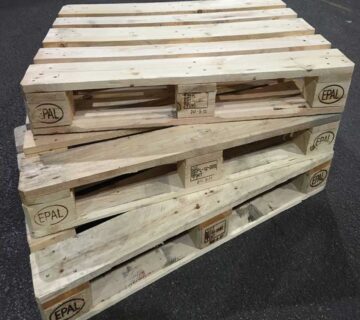
Storing bags on pallets above ground level
-
Using sealed containers or silos for bulk storage
If wood pellets absorb moisture, they may break apart and lose efficiency during combustion.
The Role of Wood Pellets in Renewable Energy
Biomass energy is expected to play a key role in the global transition toward cleaner power sources. Pelletized biomass fuel provides a reliable and scalable alternative to coal and other fossil fuels.
Many governments are supporting biomass energy projects to help meet climate goals. As a result, wood pellets are becoming an essential part of renewable energy strategies around the world.
In addition to reducing waste from the wood industry, pellet production also creates jobs in forestry, manufacturing, and logistics.
Choosing a Reliable Wood Pellet Supplier
When purchasing biomass fuel, selecting a reliable supplier is important. High-quality pellets provide better performance and reduce equipment maintenance.
Factors to consider include:
-
Certification and quality standards
-
Low ash and moisture content
-
Consistent pellet size
-
Reliable packaging and delivery
Working with trusted suppliers ensures that wood pellets meet performance expectations and provide efficient heating.
As the global demand for renewable energy continues to grow, biomass fuels are gaining importance in both residential and industrial energy systems. Among these fuels, wood pellets stand out as one of the most efficient, sustainable, and environmentally friendly options available.
Their high energy density, low emissions, and renewable nature make pellet fuel an attractive alternative to fossil fuels. From heating homes to powering industrial boilers and electricity plants, this biomass solution offers a practical way to reduce carbon emissions while meeting energy needs.
With continued investment in renewable energy and sustainable forestry, wood pellets are expected to remain a key component of the global clean energy transition for many years to come.




No comment