
HDPE Plastic Scrap in Europe – Reliable Supply, Sustainable Recycling, and Global Export Opportunities
Introduction to HDPE Plastic Scrap in Europe
The demand for HDPE plastic scrap in Europe has grown significantly over the past decade as industries increasingly focus on sustainability, recycling, and circular economy practices. High-Density Polyethylene (HDPE) is one of the most widely used and recyclable plastics in the world. From plastic drums and containers to pipes, bottles, and packaging materials, HDPE plays a crucial role in modern manufacturing and logistics.
European recycling industries are among the most advanced globally, producing high-quality HDPE plastic scrap that is widely exported to recycling plants and plastic manufacturers across Asia, the Middle East, and other global markets.
If your business is looking for a reliable source of HDPE plastic scrap in Europe, understanding the types, quality standards, and supply chain is essential. This guide will provide a complete overview of HDPE plastic scrap in Europe, including its sources, benefits, recycling processes, and global trade opportunities.
What is HDPE Plastic Scrap?
HDPE stands for High-Density Polyethylene, a thermoplastic polymer made from petroleum. It is known for its strong molecular structure, high durability, and resistance to chemicals and moisture.
HDPE plastic is commonly used in:
-
Plastic bottles
-
Industrial drums
-
Plastic containers
-
Water pipes
-
Packaging materials
-
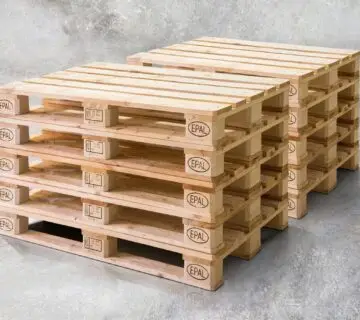
Plastic pallets
-
Household products
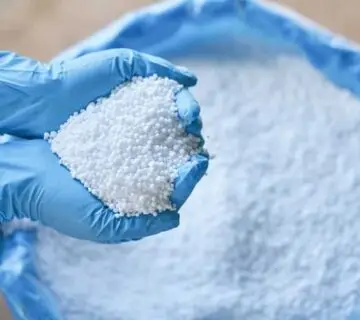
After use, these materials can be collected, sorted, and recycled into HDPE plastic scrap, which can then be processed into recycled plastic granules used in new products.
Recycling HDPE plastic scrap helps reduce environmental waste while providing a cost-effective raw material for manufacturers.
Types of HDPE Plastic Scrap Available in Europe
Europe produces several types of HDPE plastic scrap suitable for recycling and reprocessing. These include both post-industrial scrap (PIR) and post-consumer scrap (PCR).
1. HDPE Blue Drum Scrap
HDPE blue drum scrap is one of the most common forms of HDPE recycling material. These drums are widely used in chemical, food, and industrial packaging.
Key characteristics:
-
Clean and durable material
-
Thick plastic structure
-
High recycling value
-
Suitable for reprocessing into pellets
Blue drum scrap is typically shredded, washed, and converted into recycled HDPE granules.
2. HDPE Bottle Scrap
HDPE bottles are commonly used for:
-
Milk containers
-
Detergent bottles
-
Cleaning product containers
-
Cosmetic bottles
Once collected and sorted, these bottles become a major source of HDPE bottle scrap.
Recycling HDPE bottles helps reduce landfill waste and supports the production of new plastic products.
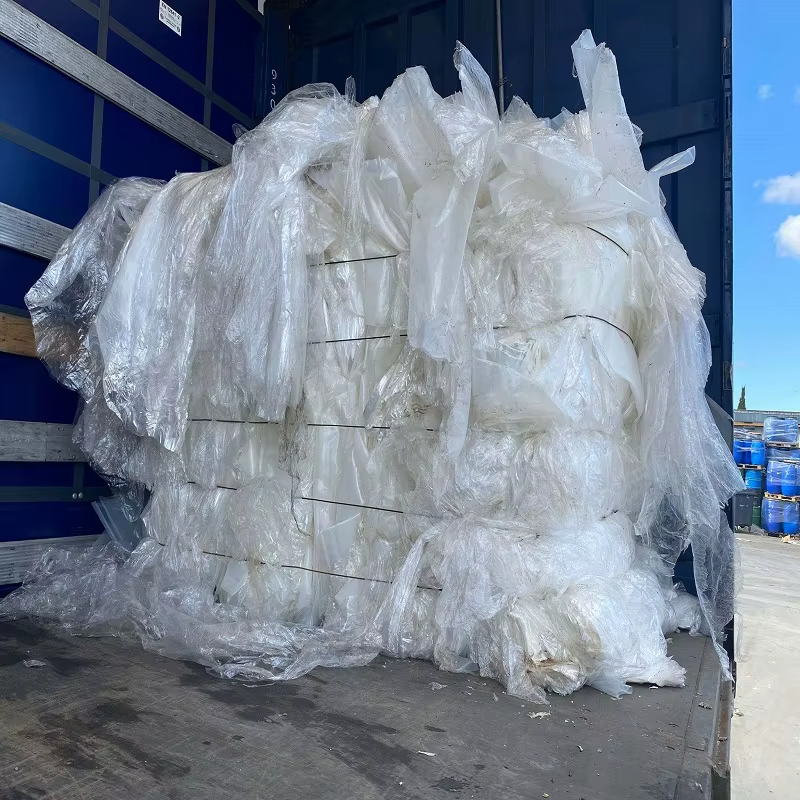
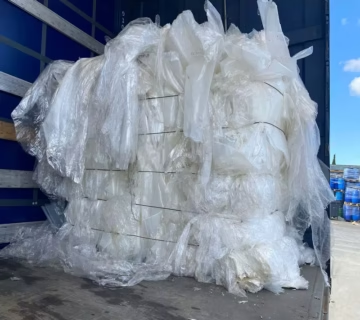
3. HDPE Film and Foil Scrap
HDPE film scrap is generated from packaging materials and industrial plastic films. This type of scrap is often produced during plastic manufacturing processes.
Common sources include:
-
Industrial plastic film production
-
Packaging industries
-
Warehouse plastic wrapping
HDPE film scrap is usually classified as PIR (Post-Industrial Recycling) material.
4. HDPE Pipe Scrap
HDPE pipes are widely used in:
-
Water distribution systems
-
Gas pipelines
-
Construction infrastructure
Old or damaged HDPE pipes can be recycled and converted into new plastic materials.
Pipe scrap is valued for its high-density polymer structure, which makes it suitable for heavy-duty recycled plastic applications.
Why Europe is a Major Source of HDPE Plastic Scrap
Europe is considered one of the most reliable suppliers of high-quality HDPE plastic scrap for several reasons.
Advanced Recycling Systems
European countries have well-developed recycling infrastructures. Waste management systems are designed to collect and sort plastic materials efficiently, ensuring high-quality scrap.
Strict Environmental Regulations
The European Union has strict environmental policies that promote recycling and reduce plastic waste. These regulations encourage industries to properly sort and recycle plastic materials.
High Quality Standards
HDPE plastic scrap from Europe often meets international recycling standards due to:
-
Advanced sorting technology
-
Quality control processes
-
Low contamination levels
This makes European HDPE scrap highly desirable in the global recycling market.
The Recycling Process of HDPE Plastic Scrap
Recycling HDPE plastic scrap involves several important steps to transform waste plastic into reusable raw materials.
1. Collection
HDPE plastic waste is collected from various sources including:
-
Industrial manufacturers
-
Commercial facilities
-
Municipal recycling programs
- HDPE Plastic Scrap in Europe
2. Sorting
Plastic materials are sorted according to type, color, and quality. HDPE is separated from other plastics such as PET or PVC.
3. Washing
The plastic is cleaned to remove dirt, labels, adhesives, and contaminants.
4. Shredding
Clean HDPE plastic is shredded into small flakes, making it easier to process.
5. Pelletizing
The flakes are melted and converted into recycled HDPE pellets, which can be used in manufacturing new products.
Applications of Recycled HDPE Plastic
Recycled HDPE plastic has many industrial and commercial applications. Manufacturers prefer recycled HDPE because it is both cost-effective and environmentally friendly.
Common uses include:
-
Plastic pipes
-
Garbage bins
-
Plastic pallets
-
Construction materials
-
Packaging containers
-
Agricultural products
-
Plastic furniture
Many companies now integrate recycled HDPE into their production to meet sustainability goals.
Benefits of Buying HDPE Plastic Scrap from Europe
Businesses that import HDPE plastic scrap from Europe benefit from several advantages.
Consistent Quality
European recycling facilities follow strict quality control procedures, ensuring consistent material supply.
Reliable Supply Chains
Europe has well-established logistics networks that make exporting plastic scrap to global markets efficient and reliable.
Lower Contamination Rates
Compared to many other regions, European HDPE scrap often contains fewer impurities.
Environmentally Responsible Material
Purchasing recycled HDPE supports global sustainability efforts and reduces plastic waste in landfills.
Global Demand for HDPE Plastic Scrap
The demand for HDPE plastic scrap continues to rise worldwide due to increasing environmental awareness and the push toward sustainable manufacturing.
Major importing regions include:
-
Southeast Asia
-
China
-
Malaysia
-
Indonesia
-
Turkey
-
India
Plastic recycling companies in these regions rely on imported HDPE scrap to produce recycled plastic granules for industrial use.
HDPE Scrap Quality Specifications
When purchasing HDPE plastic scrap in Europe, buyers typically evaluate the following quality parameters.
Contamination Level
The contamination level refers to the presence of unwanted materials such as paper, metal, or other plastics.
High-quality HDPE scrap usually contains less than 2–5% contamination.
Moisture Content
Excess moisture can affect recycling efficiency. Good-quality HDPE scrap should have minimal moisture content.
Color Sorting
Some buyers prefer specific colors such as:
-
Natural HDPE
-
Blue drum HDPE
-
Mixed color HDPE
Color sorting helps improve the quality of recycled plastic pellets.
Packaging and Shipping of HDPE Plastic Scrap
HDPE plastic scrap from Europe is typically packed and shipped in the following formats.
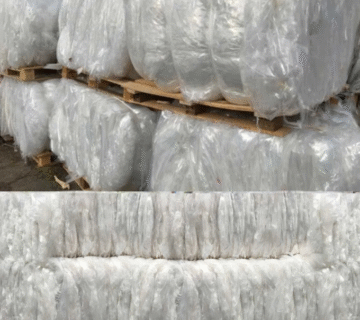
Baled Scrap
Plastic materials are compressed into bales to reduce shipping volume and transportation costs.
Big Bags
Some suppliers use jumbo bags or big bags to package HDPE scrap.
Container Loading
HDPE plastic scrap is commonly shipped in 40-foot containers, which can hold approximately 18–25 tons depending on the material type.
Shipping terms often include:
-
EXW (Ex Works)
-
FOB (Free on Board)
-
CIF (Cost, Insurance, Freight)
Sustainability and Environmental Impact
Recycling HDPE plastic scrap plays an important role in reducing environmental pollution and conserving natural resources.
Benefits include:
-
Reduced landfill waste
-
Lower carbon emissions
-
Decreased demand for virgin plastic
-
Conservation of fossil fuels
Many European companies are committed to circular economy practices, ensuring plastic waste is reused rather than discarded.
Choosing the Right HDPE Scrap Supplier in Europe
Selecting a reliable supplier is critical when sourcing HDPE plastic scrap internationally.
Important factors to consider include:
Supplier Reputation
Work with suppliers who have experience in international scrap trading and recycling.
Quality Certification
Ensure the supplier can provide documentation such as:
-
Waste classification codes
-
Recycling certificates
-
Export permits
Transparent Communication
Reliable suppliers provide clear information about:
-
Material specifications
-
Photos and inspection reports
-
Shipping schedules
Future of HDPE Plastic Recycling in Europe
The future of HDPE plastic scrap recycling in Europe looks promising as governments and industries continue to invest in sustainable waste management.
Key trends include:
-
Increased plastic recycling targets
-
Development of advanced recycling technologies
-
Expansion of circular economy initiatives
-
Growth in recycled plastic markets
- HDPE Plastic Scrap in Europe
These developments will further strengthen Europe’s role as a global leader in plastic recycling and HDPE scrap supply.
Conclusion
HDPE plastic scrap in Europe represents a valuable resource for global recycling industries. With advanced waste management systems, strict environmental regulations, and high-quality materials, Europe remains one of the most reliable sources of HDPE scrap for manufacturers worldwide. HDPE Plastic Scrap in Europe
Businesses seeking sustainable and cost-effective plastic raw materials can benefit greatly from importing HDPE plastic scrap from Europe. By partnering with trusted suppliers and understanding material specifications, companies can ensure a stable supply chain while contributing to global environmental sustainability. HDPE Plastic Scrap in Europe
As the world moves toward greener manufacturing and responsible waste management, HDPE plastic recycling will continue to play a crucial role in shaping the future of the plastics industry.
HDPE Plastic Scrap in Europe

No comment