
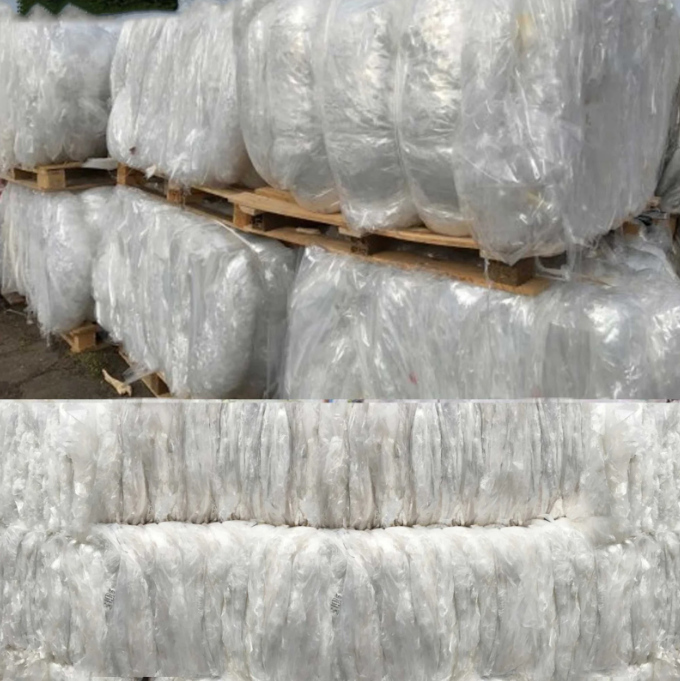
LDPE Plastic Film Scrap: Complete Guide to Recycling, Uses, and Global Market Demand
Plastic waste management has become one of the most important environmental challenges of the 21st century. Among the many recyclable plastic materials available today, LDPE plastic film scrap plays a major role in the recycling industry. Low-density polyethylene film waste is widely collected, processed, and reused to create new products, helping reduce landfill waste and protect natural resources.
Industries around the world generate large volumes of plastic films from packaging, manufacturing processes, and distribution systems. Instead of disposing of these materials, businesses can recycle them into valuable raw materials for new production. This has created a growing global market for LDPE plastic film scrap, particularly in countries with strong recycling infrastructures.
In this comprehensive guide, we will explore what LDPE film scrap is, how it is recycled, its common applications, and why it has become a highly demanded material in international plastic recycling markets.
What Is LDPE Plastic Film Scrap?
LDPE stands for Low-Density Polyethylene, a flexible thermoplastic widely used for packaging films, bags, shrink wraps, and agricultural coverings. When these materials reach the end of their lifecycle or become production waste, they are classified as LDPE plastic film scrap.
This type of scrap typically includes:
-
Stretch film from pallet wrapping
-
Industrial packaging film
-
Plastic shopping bags
-
Agricultural plastic films
-
Bubble wrap and protective film
-
Production waste from plastic factories
Because LDPE is lightweight and flexible, it can easily be processed and recycled into pellets that manufacturers use to create new plastic products.
Key Characteristics of LDPE Film Scrap
Understanding the properties of LDPE plastic film scrap helps explain why it is so valuable in recycling operations.
1. Flexibility
LDPE films are extremely flexible and durable, making them ideal for packaging applications.
2. Lightweight Structure
Because LDPE has a low density, it reduces transportation costs in both packaging and recycling.
3. Chemical Resistance
LDPE materials resist moisture, acids, and many chemicals, allowing them to be reused in multiple applications.
4. Recyclability
One of the most important features of LDPE plastic film scrap is that it can be reprocessed multiple times without significant loss of quality.
Sources of LDPE Plastic Film Scrap
There are several common sources where recyclable LDPE film waste is generated.
Industrial Manufacturing Waste
Plastic factories often generate large volumes of film trimmings and defective rolls during production. These clean materials are considered post-industrial LDPE plastic film scrap and are highly valuable for recycling.
Commercial Packaging Waste
Warehouses, distribution centers, and retail businesses use stretch film to secure pallets. Once removed, these films become recyclable scrap material.
Agricultural Plastic Waste
Farmers use LDPE films for greenhouse covers, mulch films, and crop protection. After use, these plastics can be collected and recycled.
Household Plastic Films
Plastic shopping bags, food packaging films, and garbage bags also contribute to the global supply of LDPE plastic film scrap.
Types of LDPE Film Scrap
Not all scrap film materials are the same. The recycling industry classifies them into several categories.
Post-Industrial Scrap (PIR)
Post-industrial LDPE plastic film scrap comes directly from manufacturing facilities. Since it has not been used by consumers, it is typically clean and easier to recycle.
Post-Consumer Scrap (PCR)
Post-consumer materials come from households and commercial waste streams. These materials often require additional sorting and washing before recycling.
Printed LDPE Film Scrap
Some film materials contain printed logos or branding. These can still be recycled but may require additional processing.
Mixed Plastic Film Scrap
In some cases, LDPE film is mixed with other plastic types such as LLDPE or HDPE. Proper sorting is necessary before recycling.
The Recycling Process for LDPE Plastic Film Scrap
Recycling LDPE film waste involves several steps that transform discarded plastic into reusable raw materials.
1. Collection and Sorting
The first stage involves collecting LDPE plastic film scrap from industrial sites, recycling centers, and commercial facilities. The materials are then sorted to remove contaminants and separate different plastic types.
2. Shredding
After sorting, the film scrap is shredded into smaller pieces. This step makes it easier to clean and process the material.
3. Washing and Cleaning
Plastic films are washed to remove dirt, labels, adhesives, and residues. Clean material produces higher-quality recycled plastic.
4. Drying
Once washed, the material is dried to remove moisture before further processing.
5. Pelletizing
The cleaned LDPE film scrap is melted and converted into small plastic pellets. These pellets serve as raw materials for manufacturing new plastic products.
Applications of Recycled LDPE
Recycled material from LDPE plastic film scrap can be used to produce a wide range of products across different industries.
Plastic Bags and Packaging
Recycled LDPE is commonly used to manufacture garbage bags, shopping bags, and packaging films.
Construction Materials
Plastic lumber, piping, and insulation materials can be produced using recycled LDPE.
Agricultural Films
Recycled pellets are often used to manufacture new agricultural films and greenhouse covers.
Household Products
Many everyday items such as containers, bins, and plastic sheeting are made using recycled LDPE materials.
Environmental Benefits of Recycling LDPE Film Scrap
Recycling plastic waste offers significant environmental advantages.
Reduction of Landfill Waste
Recycling LDPE plastic film scrap keeps large volumes of plastic out of landfills and oceans.
Lower Carbon Emissions
Producing recycled plastic typically requires less energy than manufacturing new plastic from raw petroleum.
Conservation of Natural Resources
Using recycled LDPE reduces the demand for fossil fuels and raw materials.
Support for Circular Economy
Recycling allows plastic materials to remain in the production cycle longer, reducing environmental impact.
Global Market Demand for LDPE Plastic Film Scrap
The demand for recyclable plastic materials has increased significantly in recent years. Countries with strong plastic manufacturing sectors often import LDPE plastic film scrap as a raw material.
Major importing regions include:
-
Southeast Asia
-
India
-
Turkey
-
China (limited but selective imports)
-
European recycling markets
Industries in these regions rely on recycled plastics to reduce production costs and meet sustainability targets.
Factors Affecting the Price of LDPE Film Scrap
Several factors influence the market value of LDPE plastic film scrap.
Material Purity
Clean, uncontaminated film scrap commands higher prices.
Color and Transparency
Natural or transparent films typically have greater recycling value than colored materials.
Moisture Content
Dry scrap materials are easier to process and therefore more valuable.
Market Demand
Global demand for recycled plastic pellets directly affects scrap prices.
Tips for Businesses Selling LDPE Plastic Film Scrap
Companies looking to sell plastic film waste can maximize their value by following these best practices.
Proper Sorting
Separating LDPE from other plastic materials improves recycling efficiency.
Avoid Contamination
Keeping scrap materials free from food waste, dirt, and chemicals increases quality.
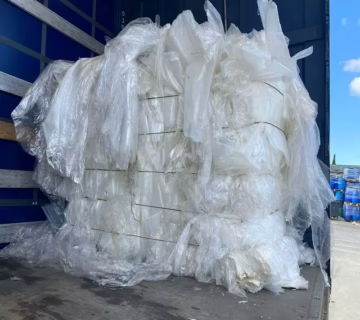
Baling the Material
Compressed bales reduce transportation costs and simplify storage.
Work with Reliable Buyers
Partnering with reputable recycling companies ensures consistent demand and fair pricing.
Quality Standards in LDPE Film Scrap Trading
International buyers often evaluate scrap shipments based on quality standards such as:
-
Contamination level
-
Moisture content
-
Film thickness
-
Packaging method
-
Consistency of supply
Maintaining consistent quality helps suppliers build long-term relationships with recycling companies.
The Future of LDPE Recycling
With global sustainability initiatives expanding rapidly, recycling plastic films is expected to grow significantly in the coming years.
Governments and environmental organizations are promoting:
-
Plastic waste collection programs
-
Improved recycling technologies
-
Circular economy policies
-
Sustainable packaging solutions
As a result, the market for LDPE plastic film scrap will likely continue expanding, offering new opportunities for businesses in the recycling industry.
LDPE plastic film scrap has become a crucial resource in the global recycling industry. By converting plastic waste into reusable raw materials, recycling companies help reduce environmental pollution while supporting sustainable manufacturing.
From packaging films and industrial waste to agricultural plastics, LDPE materials offer tremendous recycling potential. Businesses that collect, sort, and supply high-quality scrap film can benefit from the growing demand for recycled plastics worldwide.
As sustainability continues to shape global markets, LDPE plastic film scrap will remain an essential material for manufacturers seeking cost-effective and environmentally responsible production solutions.


No comment